Mechanical scraping of loose masonry scaling
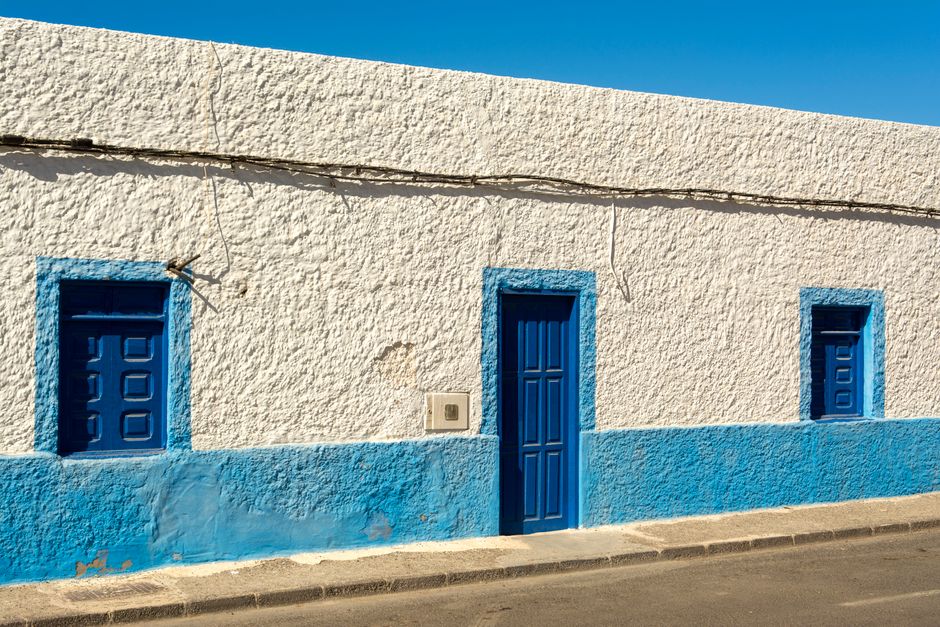
Ten square feet of delaminated stucco requires nearly an hour of manual removal before any patching can begin. Data found at painting contractor rancho cucamonga environmental directory shows the same thing regarding the failure of old exterior finishes in Rancho Cucamonga, CA. A painter often encounters loose masonry scaling that looks stable but flakes away under light pressure. This removal process ensures the substrate is solid.
Mechanical Removal of Loose Masonry
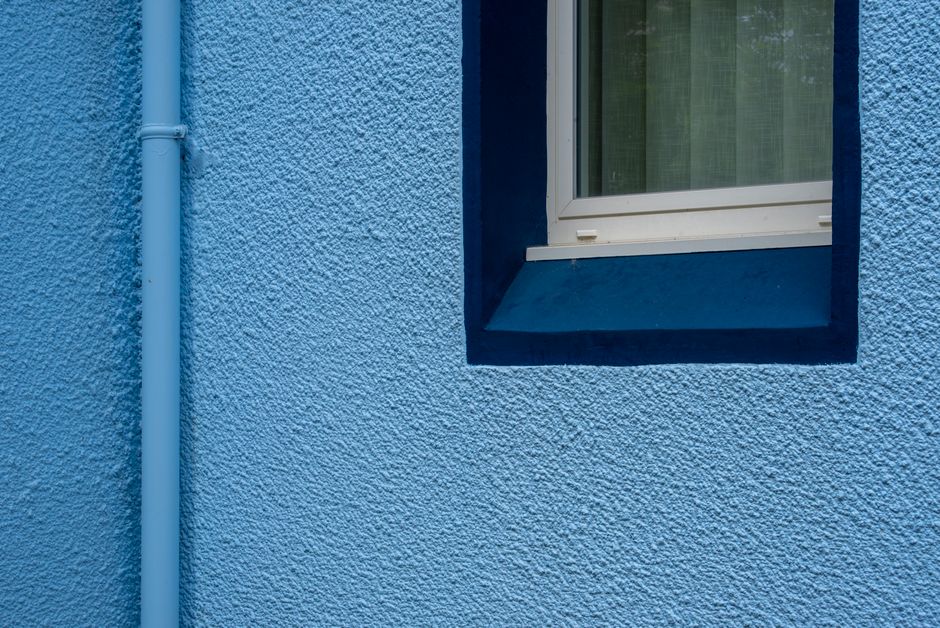
Scraping starts with a heavy duty steel putty knife or a masonry chisel. The objective is the complete extraction of all particles that lack a bond to the underlying substrate. Loose concrete or stucco scales off in layers. Leaving these fragments behind causes the new patching material to fail. A mechanical scraper handles the heavy lifting by forcing the separation of the delaminated layer from the stable base. This step prevents future bubbling under the topcoat.
Substrate Preparation and Patching
Once the loose material is gone, the surface requires sanding to smooth the transition between the old masonry and the new repair. The edges of the patch must be feathered out. Applying a high quality spackle or a cement based patch fills the voids left by the scaling. The surface must be clean and free of dust before any primer is applied. Any residual grit prevents the adhesion of the new layer. A dry, clean surface is the only way to achieve proper mil thickness in the final application.
Adhesion and Priming Stages
A masonry primer provides the bridge between the raw, scraped surface and the decorative finish. In Rancho Cucamonga, CA, the heat can cause rapid drying, so the primer must penetrate the pores of the concrete. This layer seals the patch and prevents the substrate from sucking the moisture out of the paint too quickly. Without this step, the coverage will be uneven. The primer creates a uniform suction level across the entire repaired area.
Applying the Final Finish
The final application involves two coats of an acrylic or latex exterior coating. The first coat builds the body of the color, while the second coat establishes the correct sheen. Whether the specification calls for a flat or a satin finish, the application method matters. An airless sprayer can provide fast coverage on large walls, but a roller with a medium nap is better for working the material into the texture of the masonry. The goal is a consistent film that protects the patch from the elements.